




Blog / Chevrolet Service

Blog

All Chevrolet Service Chevrolet Dealer Butler, PA Mike Kelly Chevrolet Local 2026 Chevy Silverado 1500 Chevrolet Dealer Butler PA 2026 Chevy Trax 2026 Chevy Colorado 2026 Chevy Trax Features Chevy Silverado 1500 Features
A car's interior parts

How Often Should Your Chevy Get an Oil Change at the Chevy Dealer?

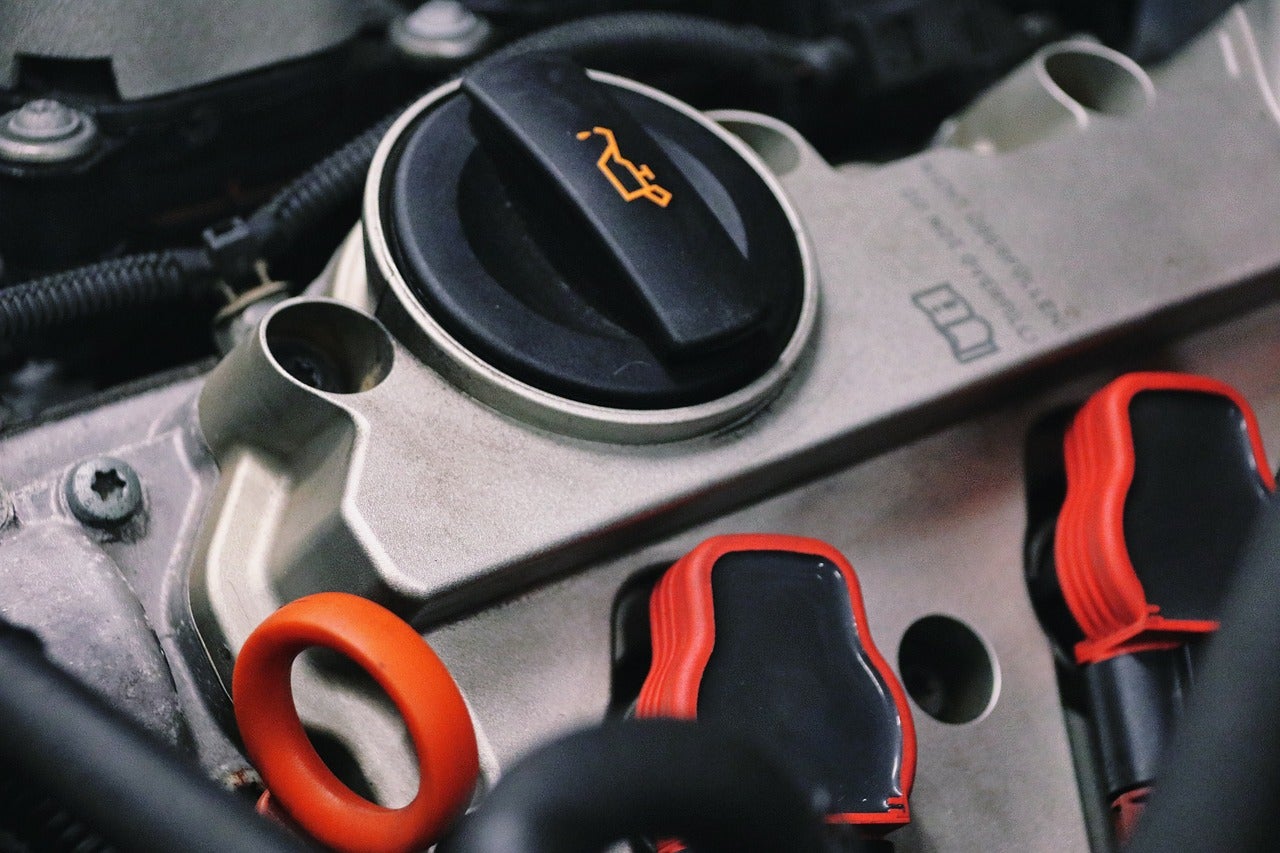
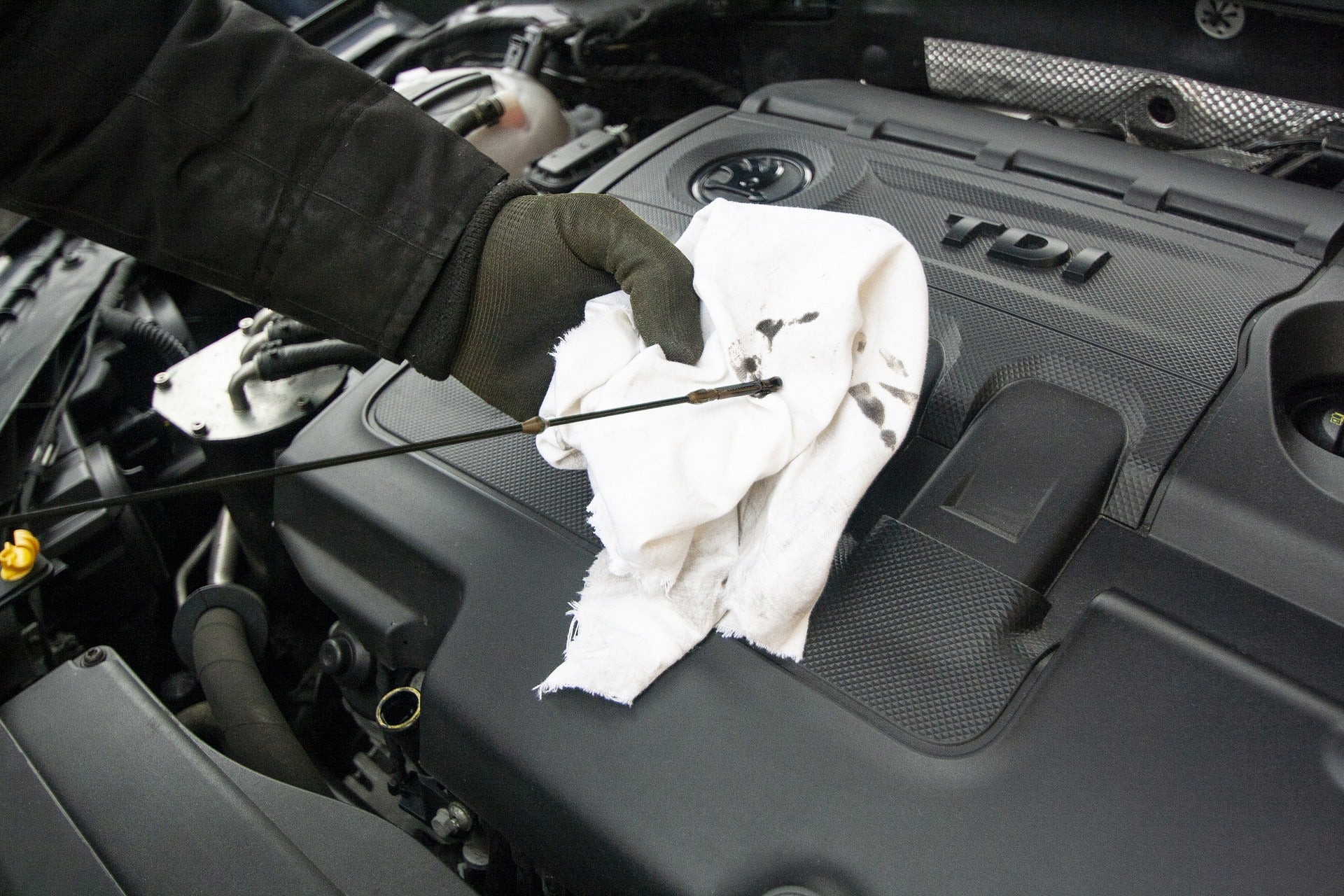
Regular maintenance is crucial to keeping your Chevy running smoothly. One of the most important aspects of maintenance is getting an oil change. But how often should you visit your Chevy dealer for this service? Let's explore the factors that determine the frequency of this service and provide you with practical tips for keeping your engine in top shape. more In the past, the general recommendation was to have this service done every 3,000 miles. However, advancements in oil and engine technology have significantly extended the interval between changing your oil for most vehicles. For Chevy owners, the frequency of this service depends on several factors. Manufacturer's Guidelines The first and most important source of information regarding the frequency of changing your oil is your Chevy vehicle's owner's manual. The manufacturer provides specific guidelines for your vehicle's maintenance, including when to change the oil. Refer to this manual to determine the recommended interval for your Chevy. Driving Conditions Your driving habits and the conditions in which you operate your vehicle play a significant role in determining the frequency of changing your oil. If you engage in activities such as off-roading, commercial use, racing, or heavy towing, your engine will experience more strain, leading to faster oil degradation. In these cases, it's best to consult with a certified Chevy service center to determine the optional interval for service for your specific conditions. Oil Type The type of oil used in your Chevy can also influence the frequency of changing your oil. Synthetic oil, known for its superior performance and longevity, generally allows for longer service intervals compared to conventional oil. However, it's crucial to consult your owner's manual to ensure you're using the recommended oil type for your Chevy and changing it when it is necessary. Old Engine Technology Older vehicles with less advanced engine technology may still require you to change your oil more frequently. If you own a classic Chevy or an older model without an Oil Life Monitoring System (OLS), you might need to change your oil more often, such as every 3,000 miles or ​so. The OLS monitors various factors to determine the best time to service your car. It takes into account engine temperature, driving habits, and climate conditions. It serves to help you maximize the life of your engine oil and reduce unnecessary waste. Your OLS will alert you with a "Change Engine Oil Soon" message on your dashboard when it's time for service. When it's time to schedule service for your Chevy, stop by Mike Kelly Chevrolet for premier attendance to your vehicle. Image via Pixabay

A silver Chevy Silverado

3 Car Safety Features You'll Find on The Vehicles at Your Chevy Dealer

When we climb into our vehicles, our primary concern is to reach our destination safely. You can learn more about all the car safety features at your Chevy dealer, but here's a rundown of some of the best to look at. Some of these are available standard on some trims, some are part of packages, and all are worth considering. more Chevy Safety Assist Suite Chevy Safety Assist is a suite of safety features that help protect you while you're on the road. It consolidates six advanced safety technologies into one comprehensive package. Automatic Emergency Braking works in tandem with Forward Collision Alert to mitigate or avoid frontal collisions by automatically applying hard braking when necessary. Front Pedestrian Braking operates under similar principles but prevents collisions with pedestrians. The Following Distance Indicator assists in maintaining a safe distance from the vehicle ahead, providing real-time gap measurements. The Lane Keep Assist with Lane Departure Warning system is designed to keep you safely within your lane by alerting you if you begin to drift unintentionally. Rounding out this collection is the Intellibeam Auto High Beam Assist, which toggles your high-beam headlamps on and off depending on the surrounding traffic conditions. Teen Driver Technology Chevrolet's commitment to safety extends to the newest drivers in the family with the Teen Driver technology. This feature is designed to encourage responsible driving habits in teenagers. Teen Driver technology provides a number of customizable settings associated with a specific key fob. When this key fob is used, the vehicle can limit certain features and automatically engage certain safety systems. For example, Teen Driver can engage the Buckle-to-Drive feature, which prevents the vehicle from shifting from park for up to 20 seconds if the driver's seatbelt isn't fastened. It also provides an in-vehicle report card which displays information about driving habits. It's a proactive way of teaching younger drivers about the importance of safety and equipping them with the skills they need for a lifetime of responsible driving. Other Options Another available safety feature in Chevrolet vehicles is the Adaptive Cruise Control. This feature maintains a driver-selected gap time from the vehicle ahead, reducing the need for frequent braking and acceleration. Rear Park Assist and Rear Vision Camera Parking challenges are made simpler with the Rear Park Assist feature, which offers distance alerts for objects detected behind the vehicle, helping to prevent collisions. The Rear Vision Camera additionally provides a view of the area directly behind the vehicle, facilitating more accurate and safer parking. There's a lot more to see, so come visit us at Mike Kelly Chevrolet right away to see what your new Chevy can do for you! Image via Pixabay

The inside of a car wheel

Advice From Your Chevy Dealer: When Should You Replace Your Brake Pads?

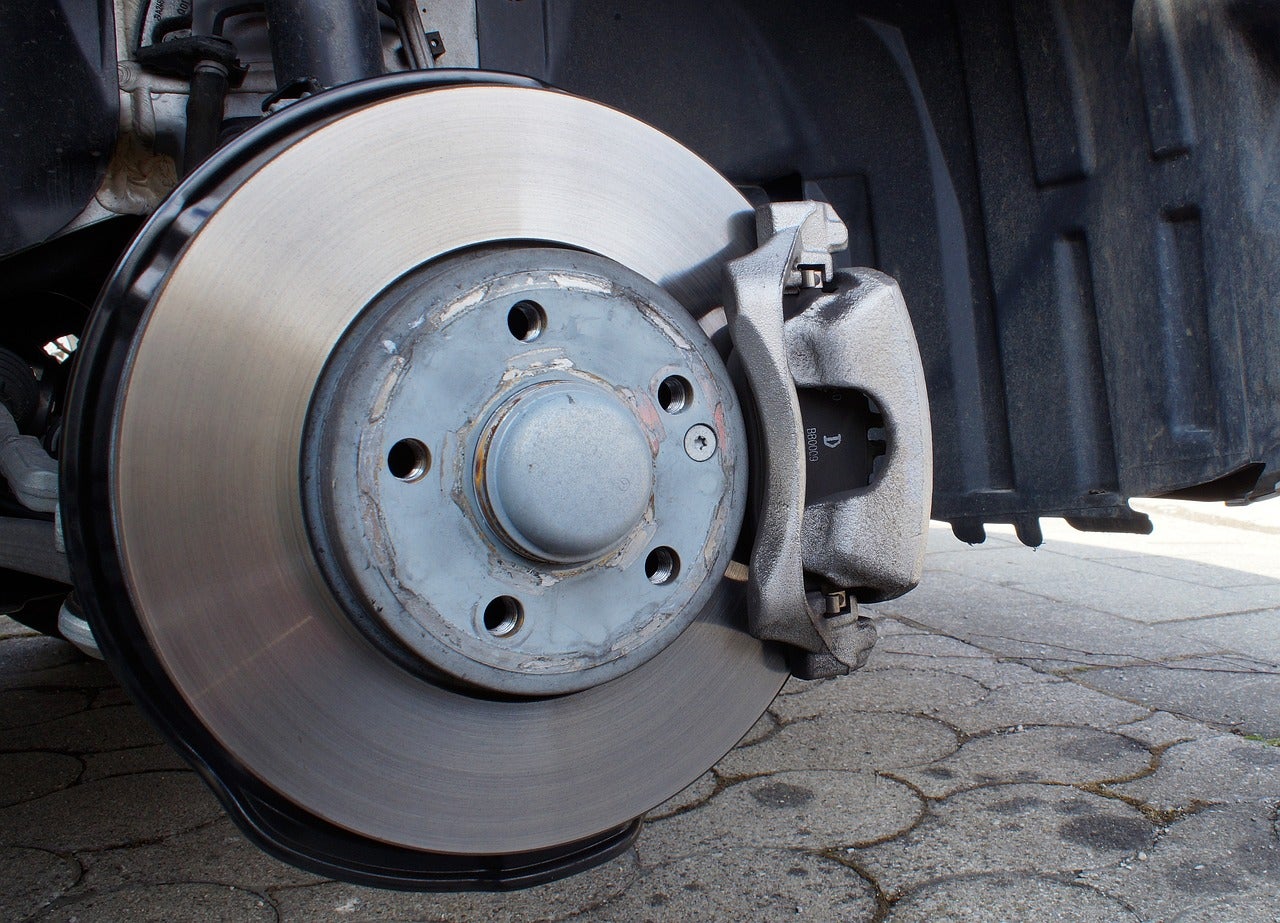
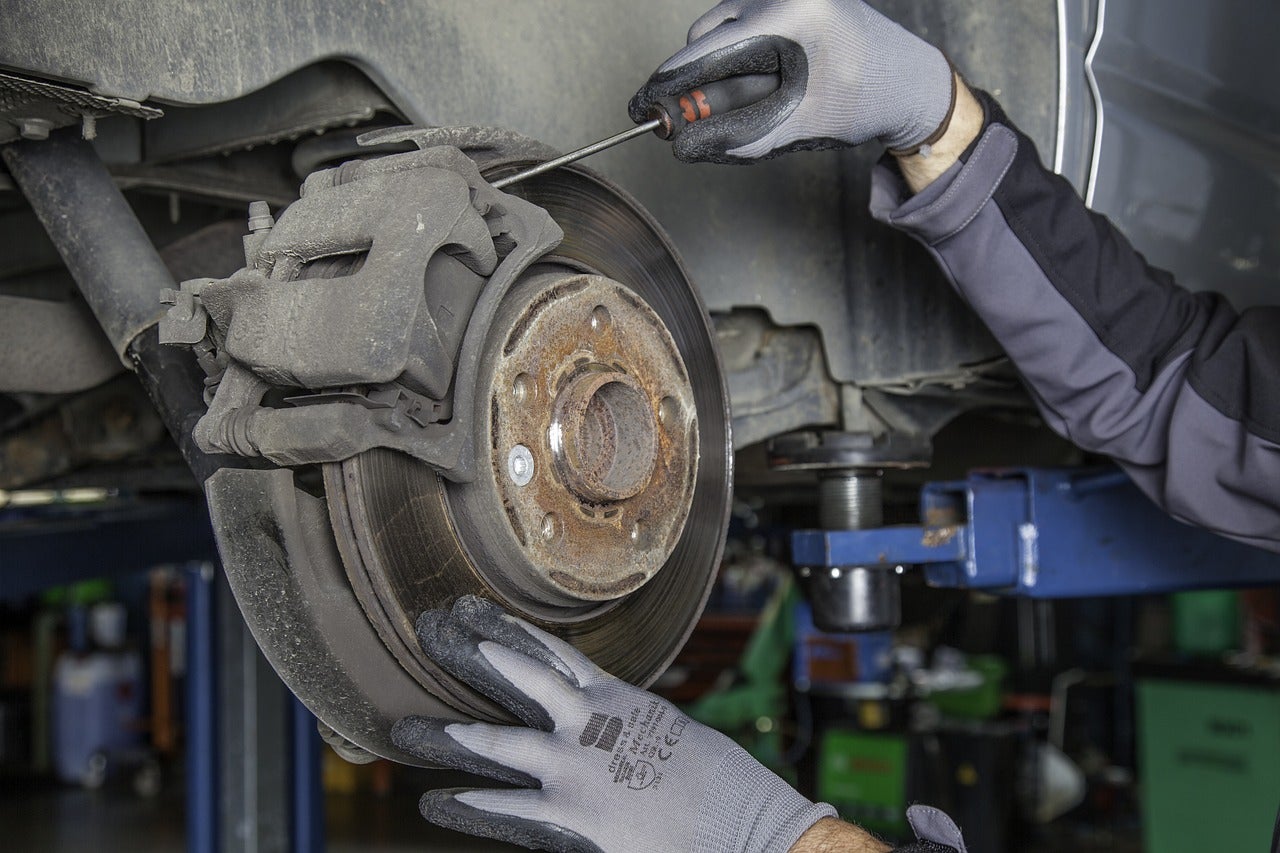
Brake pads perform a vital function in your braking system. They generate the friction that brings your wheels to a stop. As time passes, the pad slowly wears down and needs replacement. As your Chevy dealer in Butler, PA, we'd like you to know more about the pads and when you need to change them. more What Are Pads The pads fit inside the brake calipers, and a set of calipers is positioned above each wheel rotor. When you hit the brakes, pressurized brake fluid forces the calipers to close on either side of each of the rotors. The friction material covering the pads generates friction against the smooth surfaces of the rotors, and this action slows and stops your car. The friction material covering on the pads slowly wears off as they generate friction. Eventually, the material covering will have worn down and will need replacement. When Should You Replace Pads The lifespan of a pad varies between 25,000 miles and 65,000 miles, depending on climatic conditions, your braking style, and any problems with your braking system. A pad has a 1/2" thick material covering when it's new, and it needs to be replaced when the covering has declined to 1/4" thickness. We've included some signs below that it's time for new pads. The Pad Indicator Light Illuminates Your Chevy has numerous sensors which are connected to vital components. These sensors continually monitor their attached component and supply this information to your car's computer. The pads also have sensors connected to them, and when a pad's thickness drops to 1/4" thick, the pad indicator light will illuminate. When this light is illuminated, we advise visiting us so we can replace the pads for you. Pads are quick and easy to remove and replace, and we can complete the job while you wait. Screeching Sounds High-pitched screeching noises when you brake are a sign that the pads have worn down. The screeching is produced by a warning device installed on every pad by the manufacturers. A metal spike becomes visible in the pard when the pad's thickness reaches 1/4". The next time you brake, the metal spike will scratch against the rotor surface and produce a screeching sound. The spike doesn't damage the rotor, but the screech it produces is a warning that you need to visit us for replacement pads. If the pads aren't replaced, the material will wear off completely. Once this happens, the rough metal of the pads will damage the rotor surfaces each time you brake. You'll hear a harsh grinding noise when this happens, and you'll need to visit us ASAP to prevent rotor damage. Healthy pads allow you to brake faster and smoother, and this can be the difference between a near miss and an accident. Call our service department today at Mike Kelly Chevrolet. Image via Pixabay

A mechanic working on a car

Electrical Problems? Visit Your Chevy Dealer Today

Electrical problems can happen at any time. They are, however, most likely to occur if a isn't regularly serviced. During a service, we routinely check for potential issues in the electrical system and can repair them to prevent future problems. As your Chevy dealer, we'd like you to know more about some of the problems we can fix if they arise. more Dead Battery One of the most common problems is a dead battery. The battery has the vital function of supplying the power that starts your engine. It stores this power in the form of chemical energy. The chemical processes that allow the battery to store electricity will eventually cause the battery to fail as the chemicals break down. A battery will usually show signs of potential failure, for example, dim cabin lights or starting problems. We can test your battery by hooking it up to our computerized battery tester. This machine thoroughly tests the battery's capabilities and will provide a report on its strength and possible lifespan. If your battery is weak, we can install a new one for you very quickly. Burning Insulation Your car contains an enormous quantity of wiring to ensure that every component is connected to the electrical system and supplied with power. A car's engine is a hostile environment for wiring due to its high operating temperature. All the wiring in your car is protected by plastic and rubber insulation to keep it safe. Older wiring, unfortunately, can still break, and this can lead to trouble. A broken wire cuts off the supply of electricity to one or more of your car's components. The broken wire will continue to receive electricity and this will cause the wire to overheat. If the heat level is high enough, the wire's insulation will start to burn. If you smell the acrid stench of burning insulation, call us right away. We'll identify and replace any damaged wiring sections. Loose Connections Your car's electrical system contains numerous electrical connections like relays, fuses, and switches. Each connection is important, but the connections also represent breaks and reconnections of the electrical wiring. The wiring system is subject to slight movements when you drive, and these movements can cause loose connections in time. A loose battery cable, for example, will affect the battery's ability to recharge and supply electricity. This can cause the battery to die or cause starting problems. Our technicians can easily trace the flow of electricity through your car and identify any damaged or loose connections. Once the connections are fixed, any problems will disappear. If you're experiencing a problem with your car's electrical systems, call our service department at Mike Kelly Chevrolet. Our Chevy-trained technicians are experts at identifying and repairing any possible ​issue. Image via Pixabay

A Chevy Camaro in a garage

Does Your Chevy Need New Headlights?

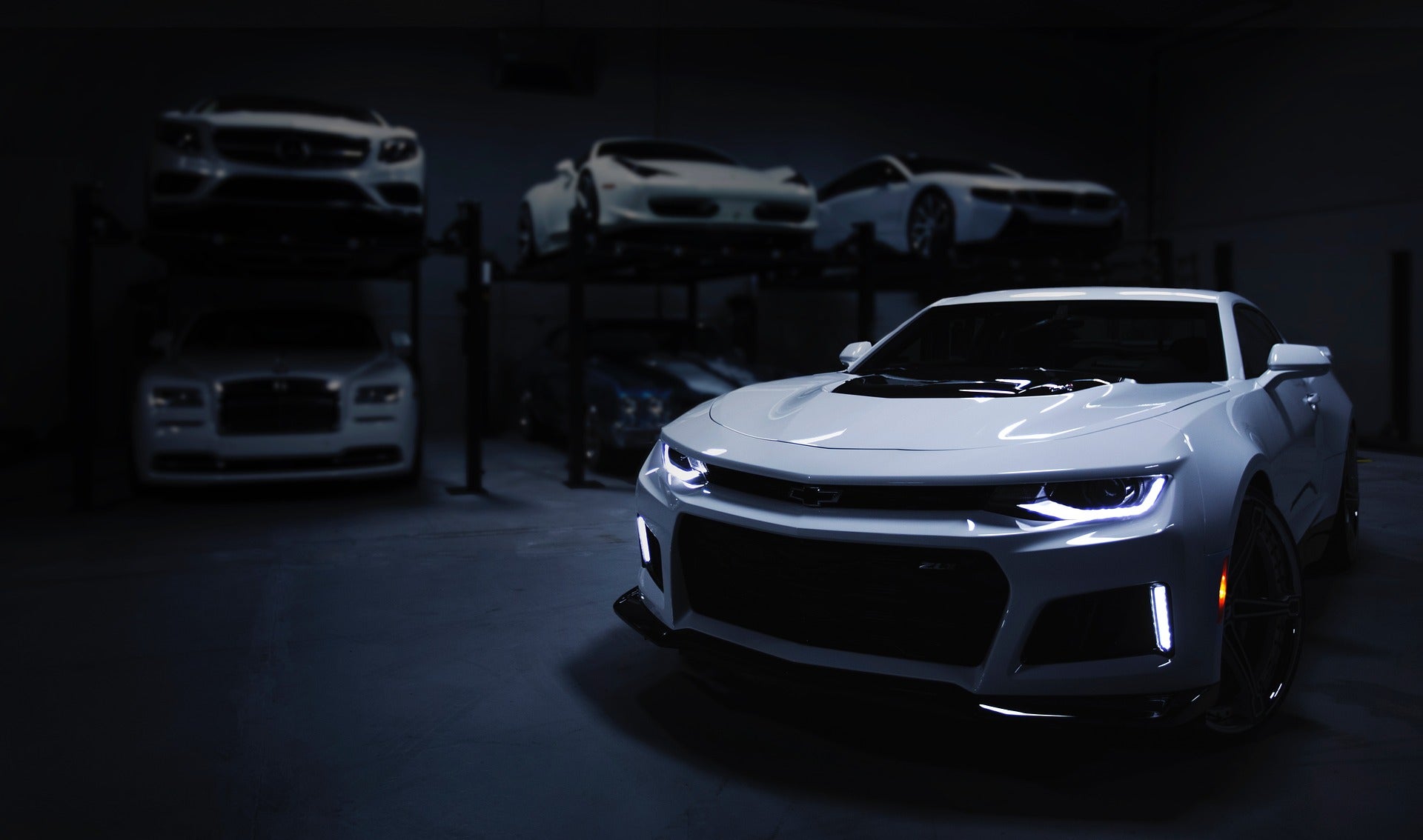
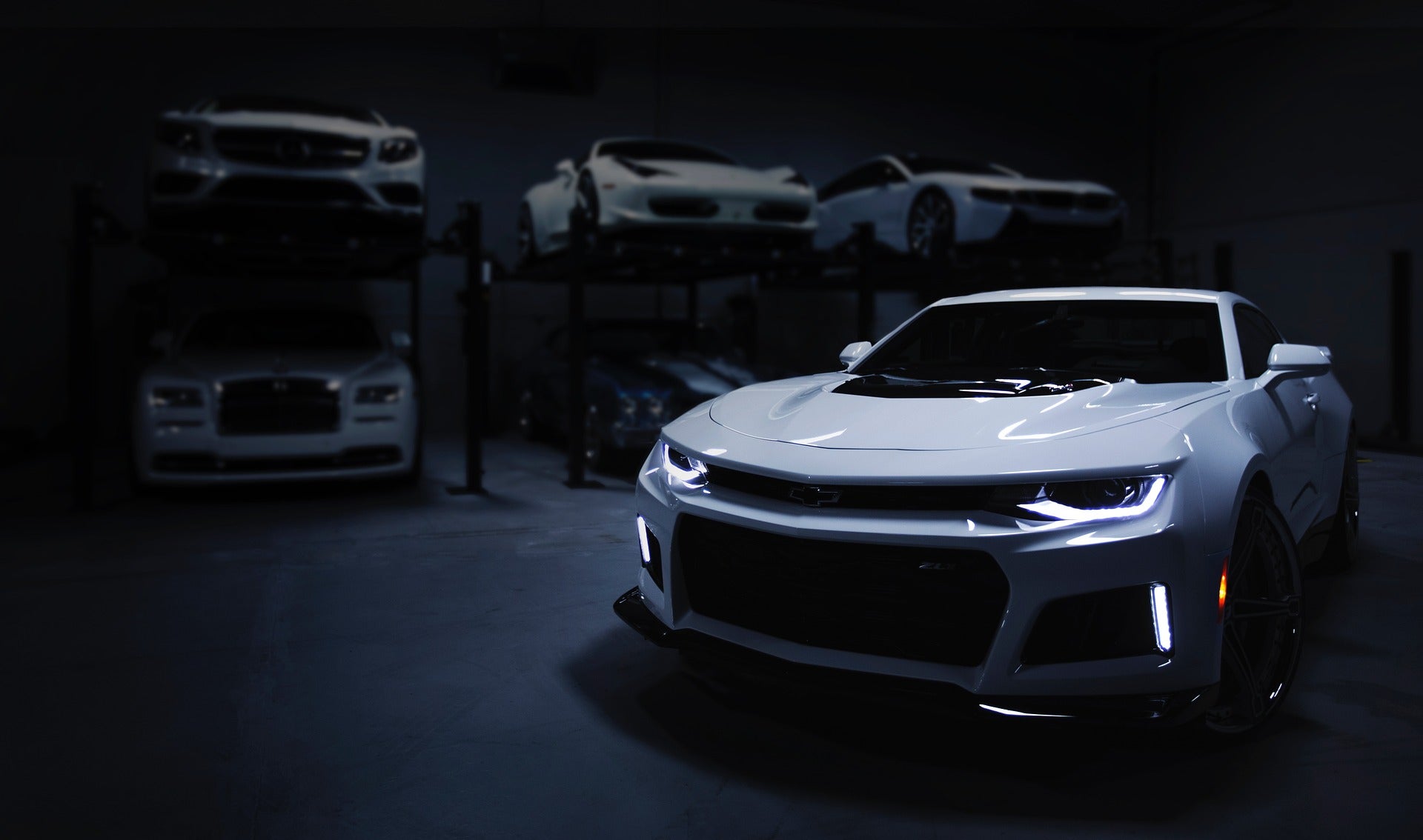
Almost half of all car accident fatalities happen at night even though there are far fewer vehicles on the road. One significant reason for the increase in road danger after dark is reduced visibility. This is why it's so important to properly maintain your headlights and promptly replace them when needed. And if you notice the following four signs of trouble, visit your nearest Chevy dealer right away for a set of new headlights. more Your Headlights Are Getting Old It's a good idea to know which type of headlight bulb you're using and how long they're expected to last. That way, you're less likely to be taken by surprise by failing headlights. These days, there are three primary types of bulbs: halogen, HID, and LED bulbs. Here's how long you can expect each one to last: Halogen Bulbs These traditional bulbs use a tungsten filament inside argon and nitrogen gases to create light. Halogen bulbs tend to last 800 miles on average. HID Bulbs High-intensity discharge (HID) bulbs, also known as xenon bulbs, generate brighter light with electrodes at both ends of a gas-filled tube. You can expect HID bulbs to last an average of 5,000 miles. LED Bulbs Famously long-lasting light-emitting diode (LED) bulbs run negative electrons against holes in a semiconductor to generate powerful white light. LED bulbs often last 20,000 miles of usage, which even might surpass the lifespan of your car. Your Headlights Are Flickering Flickering headlights may indicate a damaged filament inside a halogen bulb, which means you need a new one. With LED or HID bulbs, any flickering is more likely to indicate a problem with the wiring or electrical supply than the bulb itself. Your Headlights Are Fading Both LED and HID bulbs can lose a great deal of brightness over time before they finally die. So if you find yourself squinting to see the road ahead at night, consider having your bulbs replaced. Halogen bulbs usually don't fade much before they fail and give little warning before suddenly flickering out. Your Headlights Are Hazy Hazy light ahead of your car may mean faltering bulbs. But the haziness might also be caused by dirt and grim from the road or even damage to the lens from years of strong UV exposure. Try cleaning your headlight lenses to see if the problem improves. You can also replace the bulbs or ask a technician to test them with a voltmeter. How a Chevy Dealer Can Test Your Headlights If you're concerned about your headlights, you can always ask someone at your local dealership to test them for you. A technician will first inspect each headlight for any signs of damage such as cracks, warping, or burned filaments. They may then use various tools such as a voltmeter, ohm meter, or amp clamp to test each bulb's voltage and also see if switching out for a fresh bulb resolves any existing problems. Have your headlights examined and repaired today at Mike Kelly Chevrolet. We're a full-service dealership providing excellent vehicles, service, and financing, whatever your car-related needs might be. Image via Pixabay

A mechanic working on a car

3 Engine Problems You Should Always Fix at Your Chevy Dealer

Engine problems can vary from annoying to dangerous, depending on the components involved. Regular servicing is key to keeping your engine in good health. Services enable your Chevy dealer to check your engine for any potential problems and prevent them from occurring. We can repair any possible problem with your engine. These are some of the issues we can fix. more Worn Battery Any problem with your battery is serious, as the battery has to provide the power to start your engine. A worn or damaged battery can cause a variety of problems, including damaging your alternator. The average life of a battery is three to five years, and then it will need replacement. As your battery ages, it gradually becomes weaker. We recommend a battery test every year starting from your battery's third year. Regular testing ensures that your battery has sufficient capacity and is working correctly. If your battery shows any signs of weakness, call our service department, and we'll test it for you. If your battery fails the test, we can quickly fit a new one for you. Jammed Thermostat Your engine needs to operate at a high temperature to work effectively. The heat generated by your engine has to be controlled or your engine can suffer damage. To protect the engine, your Chevy has a very efficient cooling system. The system uses liquid coolant to absorb the engine heat. The hot coolant is then pumped into the radiator, where the heat is removed by heat exchange. The thermostat is a tiny component that controls the release of coolant. When your engine temperature reaches a pre-set point, the thermostat opens and releases coolant. A thermostat can wear out and jam closed. If the thermostat doesn't open, the coolant won't be released, and your engine will rapidly overheat. We can install a new thermostat to fix this problem. Damaged Ignition Coil An ignition coil is connected to each spark plug, and they significantly boost the spark plug's power. The spark plug's job is to ignite the fuel-air mix in your engine cylinders, but it can only produce 12 volts. The ignition coil boosts its output to 30,000 volts to guarantee fast and efficient ignition. Ignition coils can wear out over time, or they could become damaged by electrical or other issues. A damaged ignition coil won't supply enough power to its spark plug. Without this support, the spark plug can't ignite the fuel-air mix and your engine will misfire. Our technicians will test the coils and replace worn or damaged ones. Problems with an engine get worse if they're not repaired. Call us today at Mike Kelly Chevrolet. Image via Pixabay

A white Chevy

6 Essential Services You Can Always Find at Your Pittsburg, PA Chevrolet Dealership

Dealerships do more than sell cars. You'll find an array of useful services at your Pittsburg, PA Chevrolet dealership. Check out the services that we offer. We're certain that they'll all be useful to you as a responsible and caring Chevrolet owner. more 1. General Automotive Repair There's plenty that can go wrong in your vehicle that you can't control. Small collisions can dent your vehicle, your power steering can stop working without warning, your battery can die, and so on. These things are often easy and fast to fix, and your local dealership can do it for you. If something goes wrong in your vehicle, then you can be sure that it'll be fixed up in no time. 2. Preventative Car Maintenance Lots of potential vehicle issues can be prevented with regular maintenance. If you get regular tweaks and tune-ups, then you can keep natural wear and tear at bay for longer. We're happy to provide regular preventative maintenance for you. Be sure to stop by once a year for a full service and come by for other services as often as necessary. 3. Air Conditioning and Heater Service Is your climate control system suffering? We're happy to service it for you to determine what's causing its sub-par performance. We'll repair the problem for you in good time. Driving around in a vehicle that's too hot or cold can be a nightmare, so don't take a malfunctioning climate control system lightly. 4. Cooling System and Radiator Repair If your radiator malfunctions or you have a coolant leak, then your vehicle can overheat very quickly. This can lead to a breakdown on the side of the road, and in some cases, your vehicle can get so hot that parts of the engine melt. Come to us as soon as you notice something is wrong with your radiator system, and we'll fix it right up for you. Signs of radiator faults include: Temperature gauge constantly pointing to hot Discolored or rusty radiator Low or rapidly falling coolant level 5. Synthetic Motor Oil Replacement Different Chevrolet models require different oil change frequencies, so talk to your technician about how often you need your oil changed. Our technicians will answer that question for you, and we'll change your oil, too. As a rule, try not to go more than six months between oil changes. Your oil deteriorates over time. You don't want to drive around old, thin, poorly textured oil in your vehicle. 6. Engine Diagnostic Getting an engine diagnostic is the quickest way to diagnose a problem when your check engine light comes on. We'll perform an engine diagnostic, get to the bottom of the problem, and repair your vehicle for you. It's a good idea to specify that you'd like an engine diagnostic during your yearly full service, too. Getting regular diagnostics can help you catch minor issues early and fix them before they become a problem. Come by Mike Kelly Chevrolet You'll find all of the services above and more. Call our service department at (724) 287-2701 today. Image via Pixabay

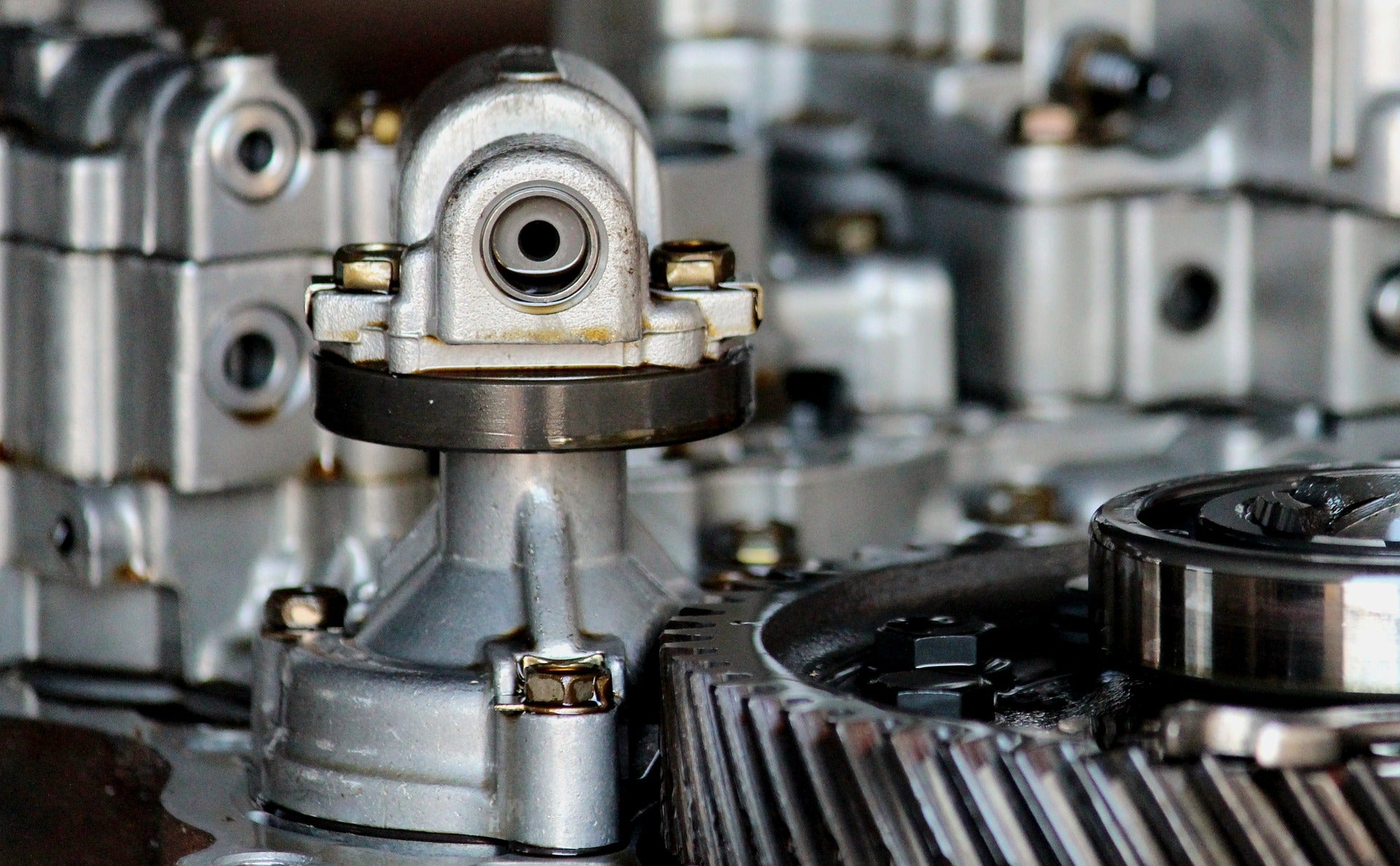
The interior parts of a car

Does Your Chevy Need a New Catalytic Converter?

In a well-kept vehicle, catalytic converters can last a good ten to fifteen years. But cats can sometimes become contaminated by leaking motor oil, engine coolant, or unburned gasoline. They can also overheat, get dented by external impacts, or become clogged by a buildup of hydrocarbons. If you notice any of the following five signs of cat trouble, visit your local Chevy dealer to have it inspected right away. more You Smell Rotten Eggs The unpleasant sulfury rotten egg smell that comes into your cabin when a cat breaks down is hydrogen sulfide. This toxic engine pollutant should normally be cleaned by the cat and converted into benign gases. But when the cat stops working, the hydrogen sulfide leaks out. If you smell rotten eggs, open your windows and have the problem repaired as soon as you can. Hydrogen sulfide is a toxic gas that's dangerous to breathe. You Hear Rattling Sounds When a cat is on its last legs, the honeycomb meshwork inside will break into pieces. You'll eventually start hearing those pieces rattling around below. If the cat is damaged by bumping against a pothole or rock, the bolts that secure it might be jolted loose. In this case, you'll hear the whole cat rattling and knocking in its brackets. You See Black Exhaust Smoke One of the worst things that can happen to a cat is unburned fuel leaking from the engine into the cat. This might occur if there's some kind of blockage to the airflow system, which messes up the balance of fuel and air in the combustion chambers. This unbalance leads to misfiring, which means some fuel isn't being burned away properly. That excess unburned fuel will start to leak out through the exhaust system. If unburned fuel makes it into the cat, it might just damage the meshwork a little and run through to the tailpipe. You'll see a little black smoke in your exhaust. But the cat is an exceptionally hot part of the car, and sometimes that heat can ignite the unburned fuel, melting the meshwork inside your cat. In this case, you'll see a great deal of black smoke and perhaps even flames from the tailpipe. Your Engine's Struggling When the meshwork inside a cat becomes clogged up by leaking fuel, oil, or coolant, the airflow becomes blocked. This slows down the inflow of air into the engine itself. An oxygen-starved engine will start to lose power. As a result, you'll see a reduction in acceleration and gas mileage. You'll also experience rough idling, and you might even find it hard to start your car in the mornings. Your Chevy Dealer Finds a Cat Fault It's often tricky to identify cat problems until they develop into something serious. This is one reason why it's so important to have periodic servicing visits at your local dealership. While examining your car, experienced technicians are far more likely to notice issues early on and nip them in the bud. Visit Mike Kelly Chevrolet today to have your cat examined, repaired, or replaced. We're been servicing the region's local drivers for over 60 years. Image via Pixabay

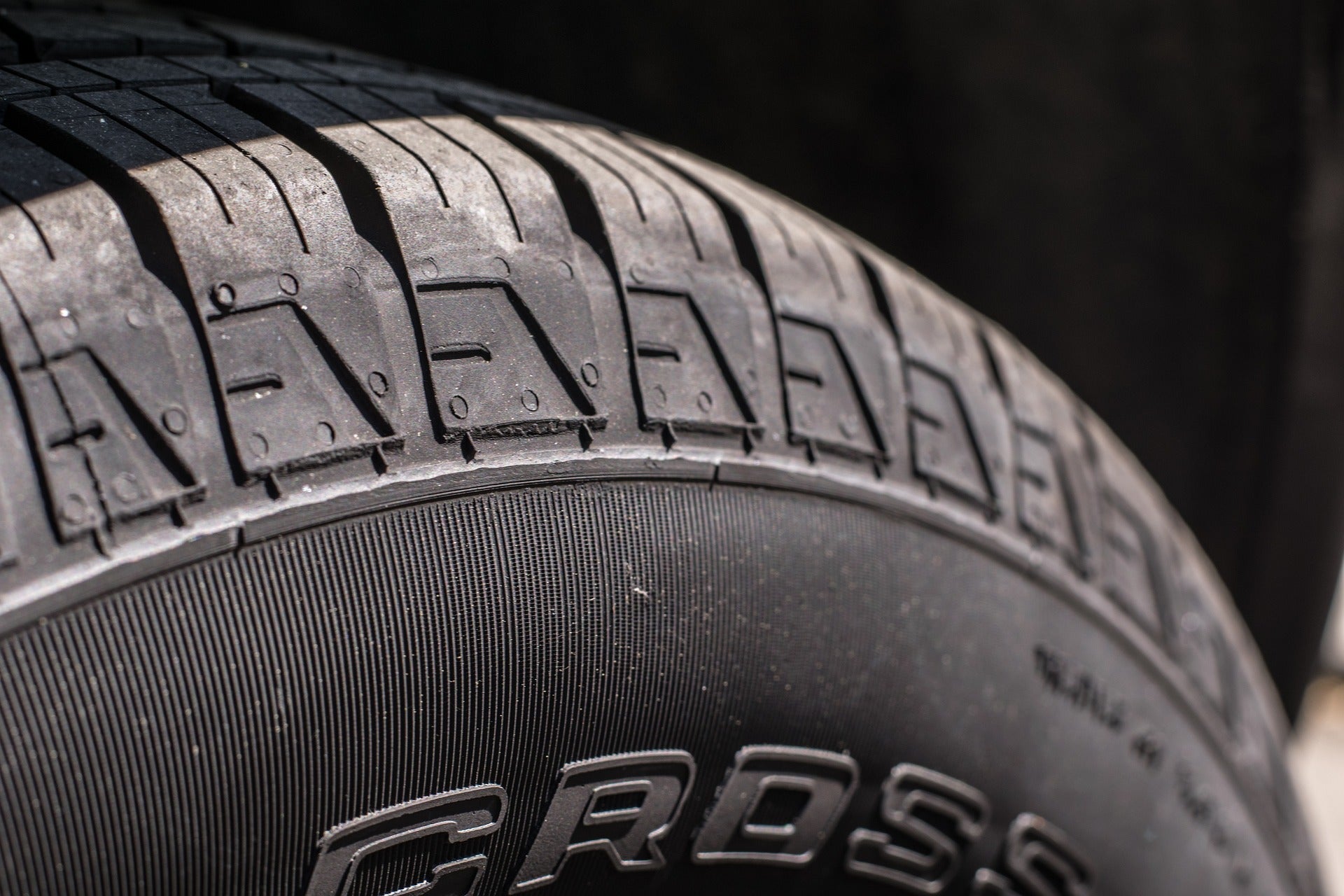
A close up of a car tire

3 Benefits of Getting a Tire Rotation at Your Chevy Dealer

Your tires suffer abrasion as you drive. Tiny pieces of rubber flake off, and the tires start to wear. Modern tires are stronger and more resilient than ever before, but they will eventually wear out. As your Chevy dealer, we advise you get a regular tire rotation with us to keep your tires in good shape. These are a few benefits of rotating your tires. more Your Tires Will Last Longer Tires are subject to wear, and this wear applies to specific parts of a tire. The areas of wear depend on the position of the tire on your car and the type of transmission you have. FWD, RWD, and AWD transmissions all cause different wear patterns. The front tires on an FWD car will wear more than the rear tires, as they take the brunt of stopping your car and carry more weight. Rotating your tires involves shifting your tires from positions that wear the most to positions that wear the least. This allows all of your tires to wear down at a similar and gradual rate. When you rotate your tires, you help delay the need for replacement. This allows you to more easily plan for their eventual replacement. You Reduce the Chance of a Blowout As we've seen, tires wear differently depending on their position. If your tires are not rotated, the worn sections will continue to wear down faster due to constant abrasion. If a tire has worn thin enough, it's in danger of developing a slow leak or may lead to a blowout. A tire blowing out on the highway, for example, could result in a serious accident. Rotating your tires replace the worn tires with tires of a different wear pattern. The fresh tires will eventually wear in the same sections as the original ones, but the change allows you to delay replacement. You Fulfill Your Tire Warranty All tire manufacturers have a warranty on their tires. This warranty period is determined by their scientists and engineers. A tire warranty guarantees your tire will be safe and effective for a certain period or distance. If a tire fails during the warranty period, you'll get a prorated discount on a replacement tire of the same type. One of the conditions of the warranty is that your tire must be regularly rotated according to the manufacturer's schedule. If you rotate your tires regularly with us you'll be eligible for a discount if your tires need early replacement. Healthy tires will keep you safe as you drive. If you'd like to know more about rotation or to book a rotation, call our service department today at Mike Kelly Chevrolet. Image via Pixabay

The back of a red Chevy Camaro

5 Car Maintenance Tips From Your Chevy Dealer To Keep Your Chevy in Great Shape for Years

Take care of your Chevrolet Trailblazer, Tahoe, or Silverado, and you will get the best out of every mile. With regular car maintenance, your engine will run smoothly, and you will save bundles of cash on gas and repairs. The following tips from your Chevy dealer will help you keep your Chevy in tip-top shape and on the road much longer. more 1. Regularly Service Your Chevy Good maintenance starts with regularly servicing your Chevy. You'll find the service schedule for your specific model in your vehicle's owner's manual. When you stick to the factory-recommended maintenance intervals, you'll save money on gas and repairs, your service record will be up-to-date, increasing your car's resale value, and your car will be a pleasure to drive. 2. Stick to the Oil Change Intervals The most important task is an oil change. The oil in your Chevy lubricates the moving parts, reduces friction that causes heat, and cleans and cools your engine. If you own a newer Chevy, the Oil Life Monitoring System (OLMS) will warn you when your car needs an oil change. The factory-recommended oil changes for older Chevrolet vehicles are every 3,000 to 7,500 miles or every six months. The oil change intervals for your specific Chevy model are in your owner's manual, or you can ask a Chevrolet technician, who will also know which grade of oil is best for your vehicle. 3. Insist on Genuine OEM Chevrolet Parts Genuine OEM (Original Equipment Manufacturer) parts are reliable and engineered explicitly by General Motors for your Chevy. We have a large inventory of OEM parts, and our Chevrolet technicians and part experts will help you find the correct replacement part. You can order parts on our website by filling in the online form to make it easier. 4. Take Note of the Dashboard Warning Lights If there is a problem with your Chevy, the lights on your dashboard will warn you. When you see a warning light is on, bring your car to us for repairs as soon as you can to avoid further damage to your vehicle that could cost you a lot of money to repair. 5. Rely on Quality Maintenance and Repair Services When it comes to your Chevy, rely on our qualified Chevrolet technicians at our dealership. The technicians are trained to perform expert services you can depend on to keep your vehicle in excellent running condition. They use cutting-edge technology and equipment and know what is required to keep your Chevy running like new. With regular maintenance from qualified Chevrolet technicians and genuine OEM parts, your Chevy will always get you where you need to go. Call Mike Kelly Chevrolet today for a service. Our qualified Chevrolet technicians are here to help you maintain your Chevy and keep it in excellent shape. Image via Pixabay

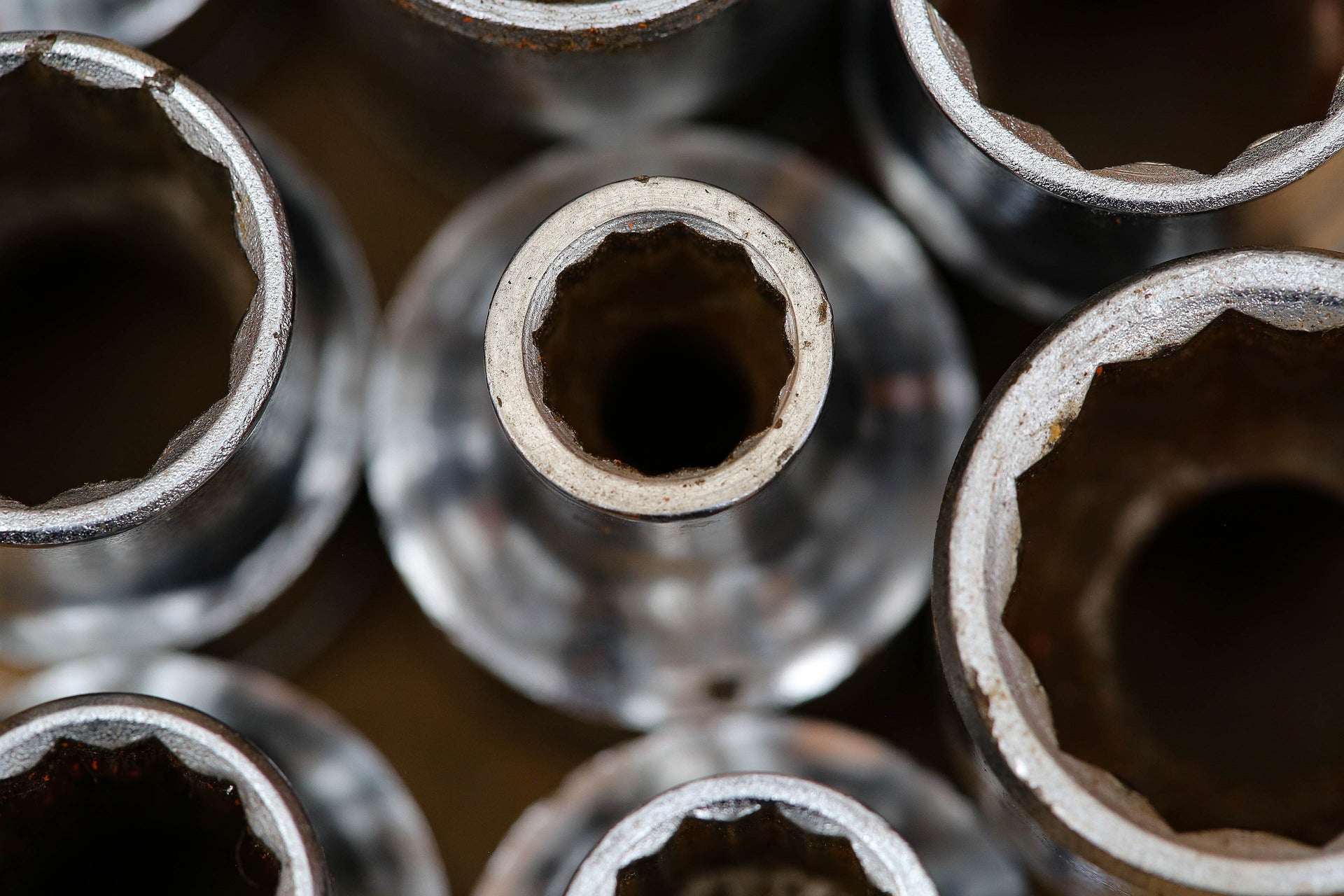
A close up of car repair tools

Do You Need a Radiator Repair at Your Chevy Dealer?

A good radiator is essential for keeping your Chevy running efficiently. The radiator removes engine heat to protect your engine against overheating. Over time, parts can wear out or get damaged, and you'll need a radiator repair at your Chevy dealer. These are some possible signs your radiator may soon need a repair. more Rust on the Radiator If you see signs of rust on your radiator, this is a cause for concern. Under normal circumstances, your car's radiator is never exposed to water, and water is necessary to create rust on metal. The most likely cause of the rust is that your cooling system has a leak and is spilling coolant as you drive. Even a tiny hole in the system can allow the pressurized coolant to escape. Coolant is a mix of antifreeze and water, and if coolant spills onto the radiator it can quickly enable rust to develop. Coolant evaporates quickly in the engine heat but leaves behind tell-tale white marks. If you see these marks, you have a coolant leak. Our technicians will examine your radiator and the cooling system to find and fix the source of the leak. Damaged Radiator Fins The fins are rows of thin aluminum tubes in the front of your radiator. These tubes provide the cooling surface for removing heat from your engine. The hot coolant is pumped into the radiator and enters the rows of tubes. The air flowing through the grille as your car moves cools these tubes and the liquid inside them. Once the coolant has cooled, it's pumped out of the radiator and recirculated through your engine. These fins can get damaged by grit, sand, and other debris thrown up from the road surface. This debris is drawn through the grille and can dent and damage the tubes. As more tubes become damaged, your car's cooling system will suffer. Coolant will flow slower through the system due to the blocked tubes, which increases your engine temperature. We can't repair the damaged tubes, but we can replace the radiator. Broken Thermostat The thermostat in your cooling system is set to a particular temperature, which is usually around 185F. When your engine reaches this temperature, the thermostat opens and releases coolant into the engine. The coolant is then pumped through the system to absorb the heat. A thermostat is a simple component, but it can wear out. A worn thermostat could jam closed, which prevents coolant from being released. Without the constant flow of coolant, your engine can overheat. Our technicians can easily replace the thermostat with a new one. If your car shows signs of radiator problems, call us ASAP at Mike Kelly Chevrolet. Image via Pixabay

A mechanic repairing a vehicle

3 Keys to a Quality Collision Repair at Your Chevy Dealer

As your Chevy dealer, we hope you're never involved in an accident. If it does occur, however, we'd like you to know how we produce a quality collision repair for your Chevy. There are many things to consider when deciding on repairs. These are some of the keys to a successful repair that we can provide. more Expert Technicians Perfect repairs require expert technicians, highly-trained in all facets of repairs. All of our technicians are trained and then undergo additional training to become specialized Chevrolet technicians. This process is ongoing, as our technicians undertake training on all new models in the Chevrolet range. In addition to their training, our technicians also acquire invaluable practical experience working on Chevrolet vehicles. If you were to choose an independent repair shop, their technicians don't have the same level of knowledge and experience. Repair shops deal with a wide variety of makes and models. This gives their mechanics good general knowledge, but none of the specialist knowledge needed for a Chevrolet repair. This lack of knowledge and experience could lead to errors or mistakes. Best Parts A successful repair requires high-quality parts. The best parts for your Chevy are made by the same company that built your car. These parts were designed and engineered specifically for your make and model. They will also last longer and perform better than any other parts. For these reasons, we only use genuine Chevrolet parts in all our repairs. Independent repair shops are unlikely to use genuine Chevrolet parts in their repairs. They will most likely offer you generic parts instead. Generic parts are designed to fit a variety of car makes and models. This allows the parts to be cheaper, but it also means that they may not fit or work as well. Additionally, since the parts aren't designed for your car, they usually don't carry a warranty. Best Technology Modern cars have computers, sensors, and a wide variety of electronic systems. These systems are very complex, and they require the best diagnostic systems available. Our systems are built specifically to work with Chevrolet models, and they're constantly updated with new information. Using these systems allows our technicians to get a complete picture of any internal damage that needs to be repaired. A repair shop won't have access to this same level of technology. Their diagnostic systems are designed to provide a general picture of many different types of vehicles. The lack of specialization means that their systems could miss or misinterpret information from your Chevy's computer or other systems. If you need any repairs, it's always best to go with the experts. Call our service department at Mike Kelly Chevrolet. Image via Pixabay

Contact Us

Fill out this form below and we'll contact you shortly
*Required Fields